Measure the Room in Detail
Before anything else, measure the full dimensions of your living area.
Learn More →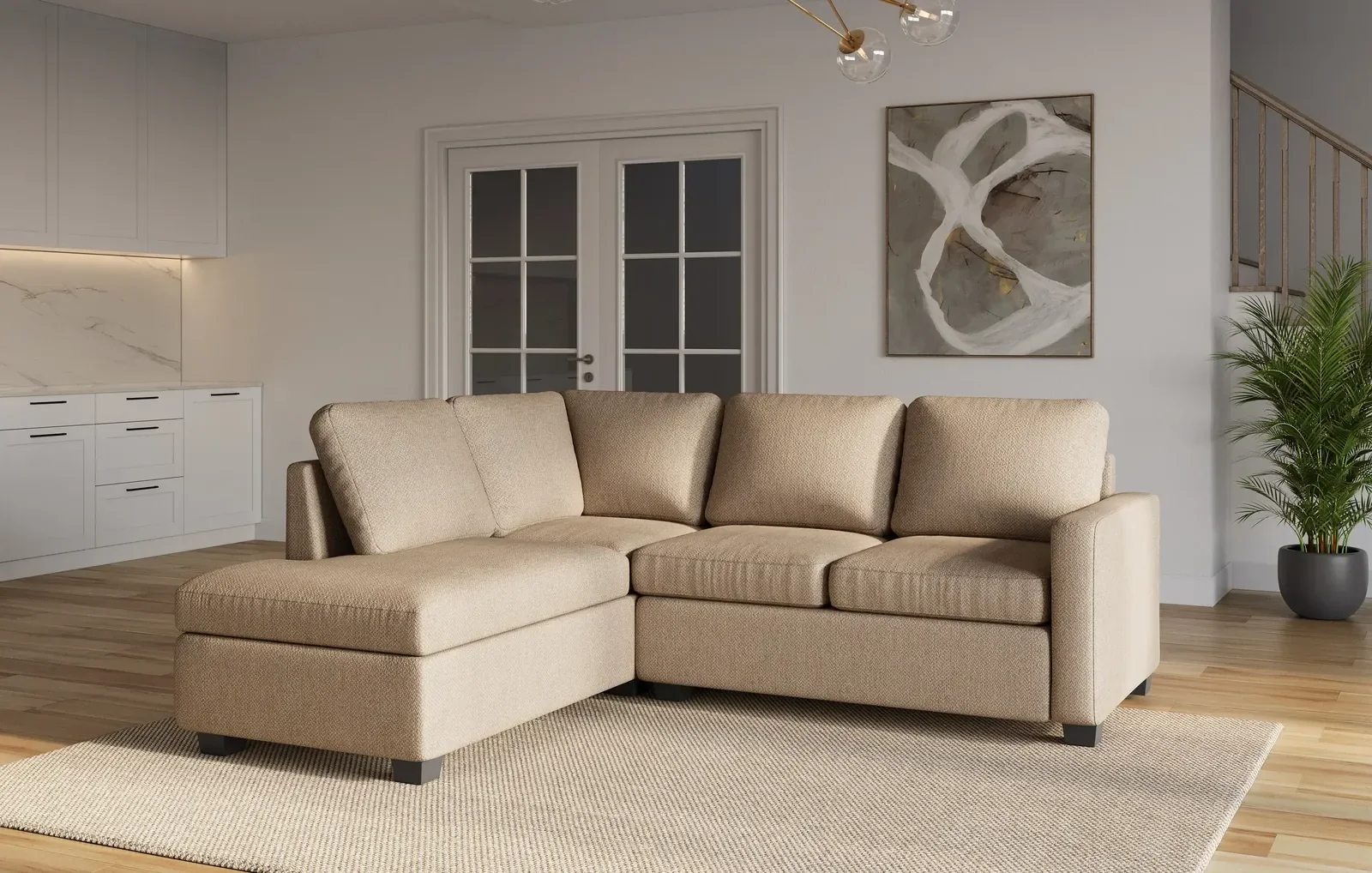
Ordering a custom sofa is an exciting investment — you get to choose the style, fabric, and configuration that perfectly matches your home. But before diving into design choices, the most important step is making sure your sofa will fit comfortably in your space. Measuring carefully ensures your new piece will look balanced, function well, and avoid the headache of delivery-day surprises.
Here's a step-by-step guide to help you measure your space for a custom sofa, along with key considerations to keep in mind.
Before anything else, measure the full dimensions of your living area.
Learn More →Visualize how the sofa will sit in your space and prevent layout regrets.
Learn More →A sofa may fit perfectly in your living room, but if it can't make it through the front door or up the stairs, you'll run into problems.
Learn More →Don't just think about how the sofa looks when empty — visualize how it will feel with people actually using it.
Learn More →Adding chaises, sofa beds, and ottomans can greatly enhance comfort and functionality.
Learn More →Confirm your measurements, configuration, and get professional guidance to build your dream sofa.
Learn More →
Before anything else, measure the full dimensions of your living area. Start with the room's length and width, but also take into account the ceiling height, window placements, outlets, vents, and radiators. Every inch matters when planning furniture layout.
Think about how the sofa will interact with the room as a whole. For example, a wide sectional may look balanced in an open-concept living space, but feel overwhelming in a smaller, enclosed room. Conversely, a small two-seater may leave a large room looking sparse or unfinished.
Pro tip: If your space has an open floor plan, measure from natural boundaries like area rugs, dining tables, or walkways rather than the full wall-to-wall space. This will give you a more realistic sense of the "usable zone" for your sofa.
↑ Back to Table of Contents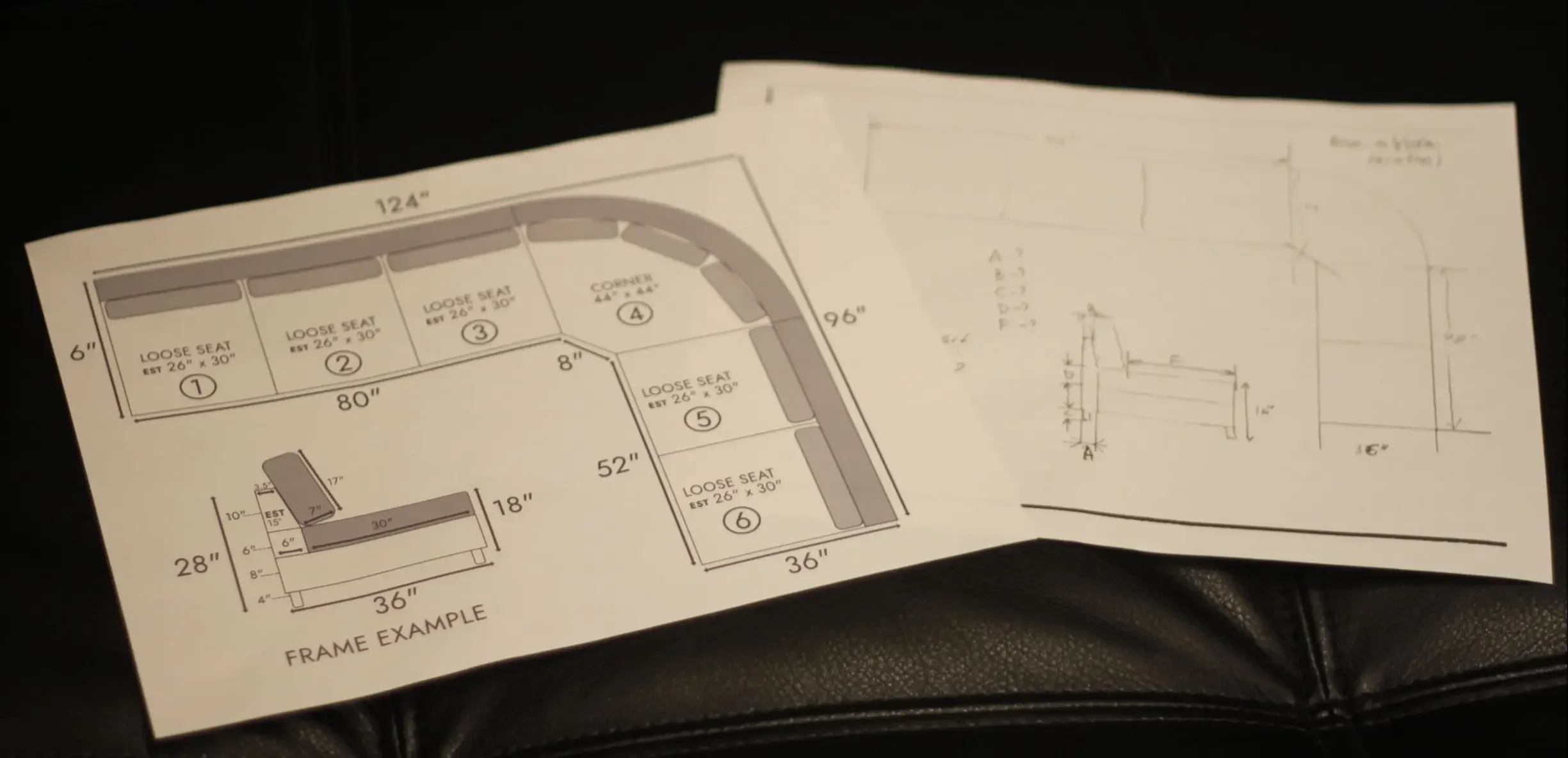
Once you know your measurements, it's time to bring them to life in your room. This step helps you visualize how the sofa will sit in your space and prevents layout regrets.
Think about how the sofa will interact with the room as a whole. A wide sectional may look balanced in an open-concept living space but feel overwhelming in a smaller, enclosed room. Conversely, a small two-seater may leave a large room looking sparse or unfinished.
Pro tip: If you're deciding between two sizes (for example, an 84-inch vs. 92-inch sofa), tape both outlines on the floor to compare. This simple exercise can make your decision much easier.
↑ Back to Table of Contents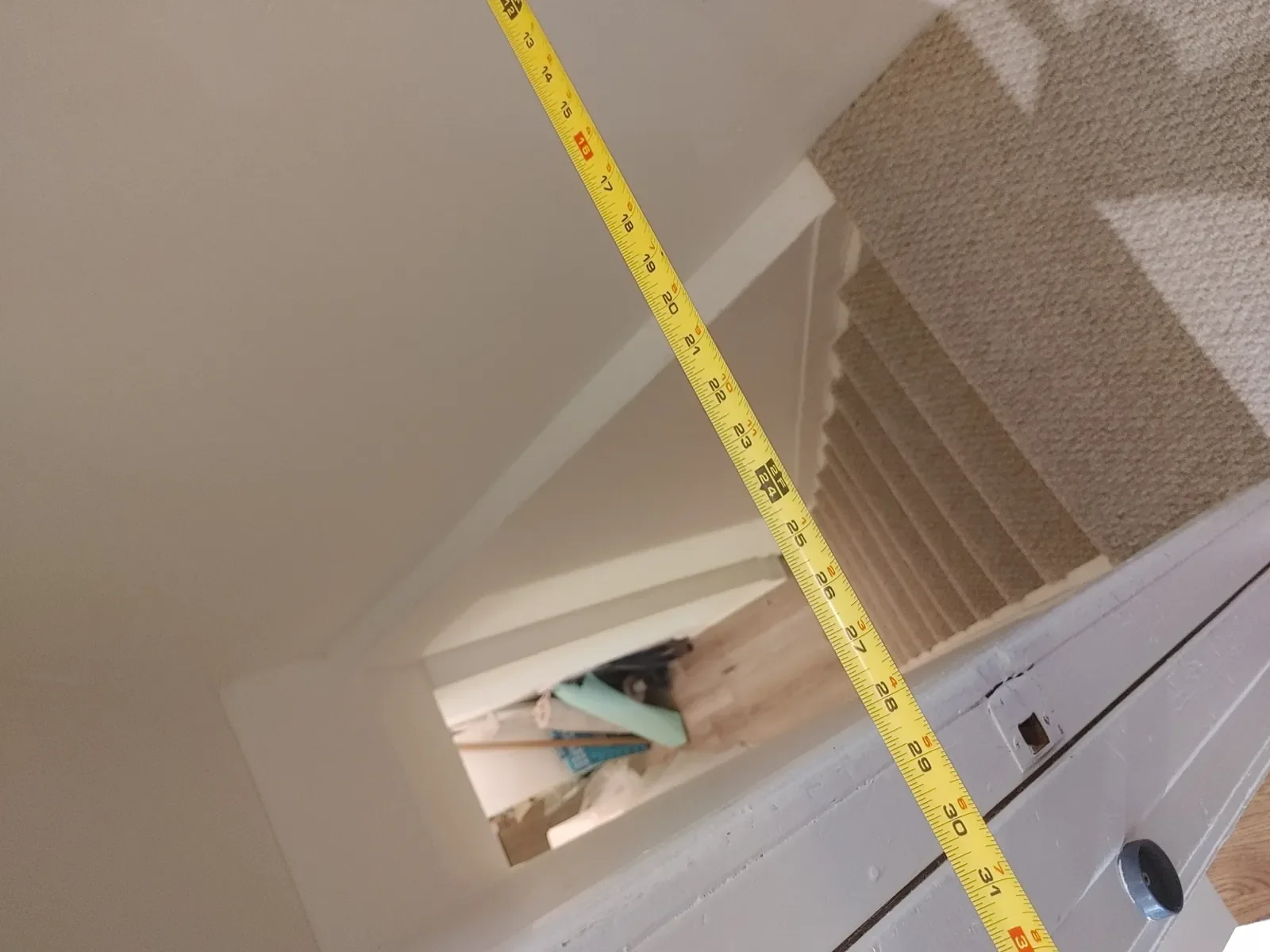
One of the most overlooked steps is measuring the access points into your home. A sofa may fit perfectly in your living room, but if it cannot make it through the front door or up the stairs, you will run into problems.
Compare these with the sofa's depth and height. Some custom sofas come with removable legs or modular sections to make delivery easier — ask about this option if your access points are tight.
↑ Back to Table of Contents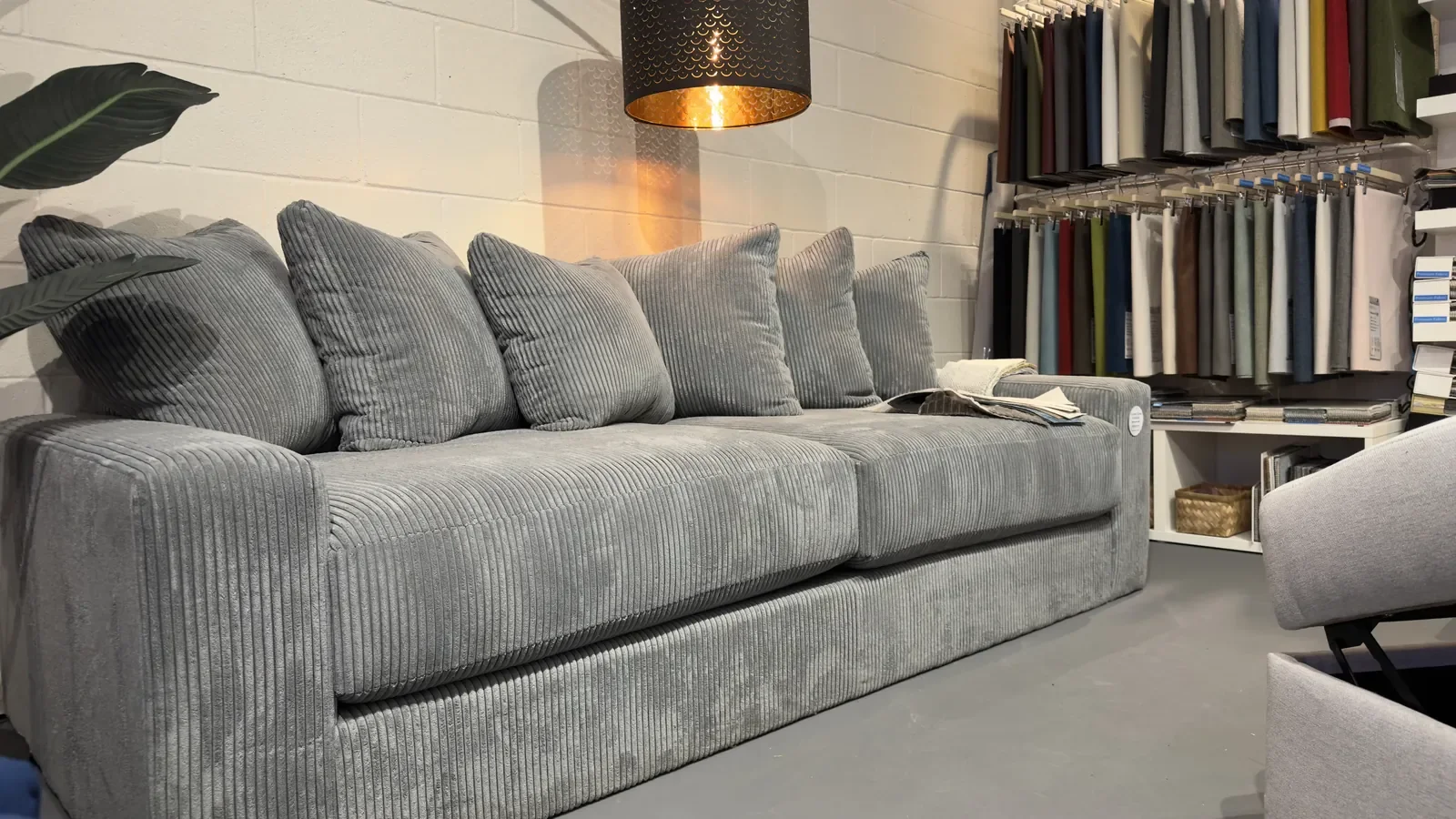
Don't just think about how the sofa looks when empty — visualize how it will feel with people actually using it. By considering your daily habits, preferred lounging style, and comfort level, you can choose a sofa depth, configuration, and cushion type that will be perfect for everyday use.
When planning your sofa, it's important to think beyond just the size and shape of the room. Consider how you actually use your sofa on a daily basis. A sofa isn't only for decoration — it's where you relax, entertain, work, and sometimes even sleep.
Make sure the depth fits your room and usage style — deeper sofas are cozy for lounging but can overwhelm smaller spaces.
At SIXTREND, we can help you adjust all of the above — room layout, sofa depth, seating configuration, and foam type — so your custom sofa is perfectly tailored to your space and lifestyle.
↑ Back to Table of Contents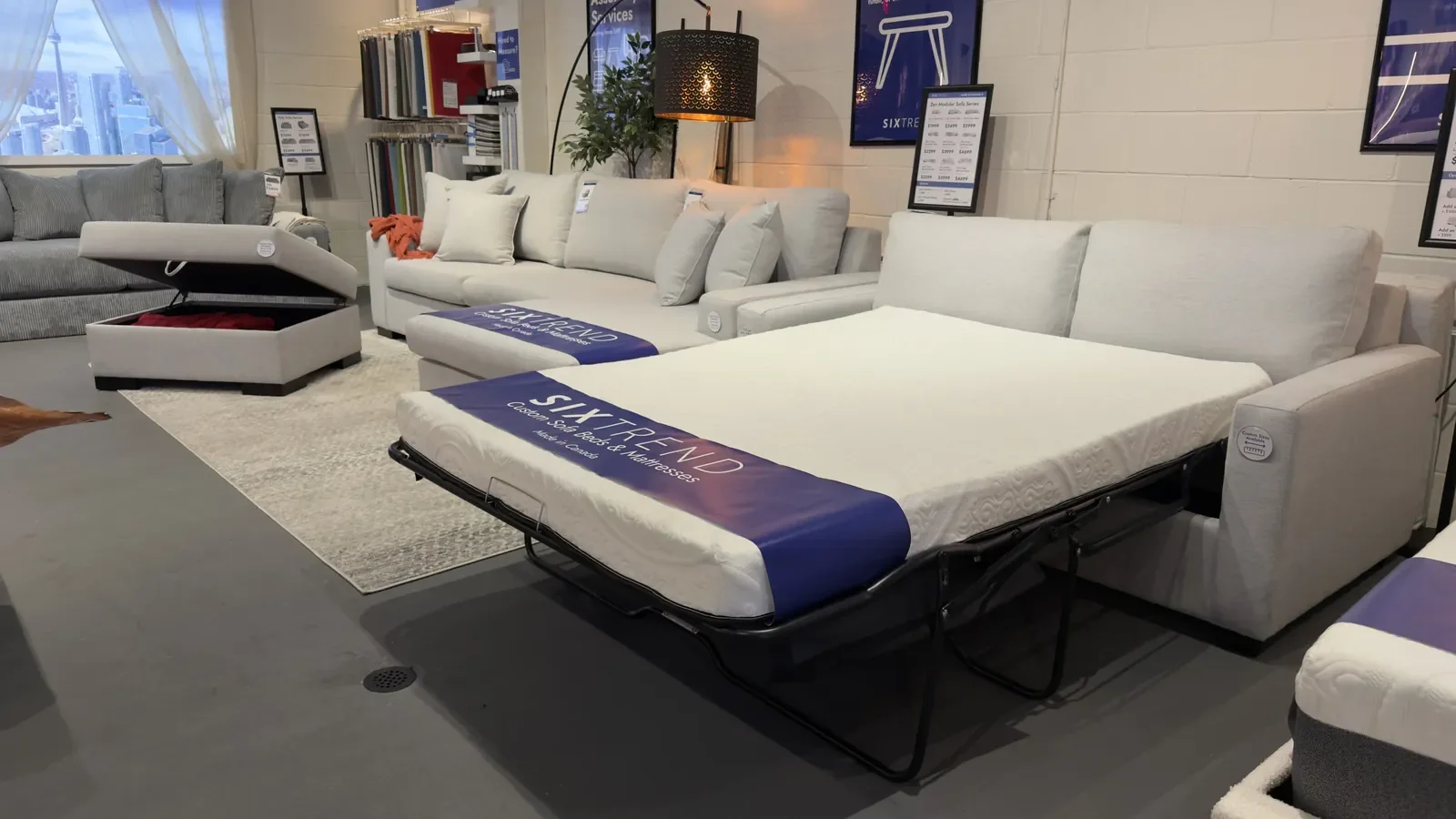
Your custom sofa can be enhanced with additional features like chaises, sofa beds, and ottomans, which can greatly enhance comfort and functionality. These features, however, also require careful planning to ensure they fit seamlessly in your space and work well for your lifestyle.
Pro tip: If you are considering a combination of these features, such as a sectional with a chaise and a pull-out sofa bed, it is crucial to map out the full configuration. Using painter's tape on the floor or cardboard cutouts can help you visualize how each feature will fit and interact with the room.
View Common Features → ↑ Back to Table of Contents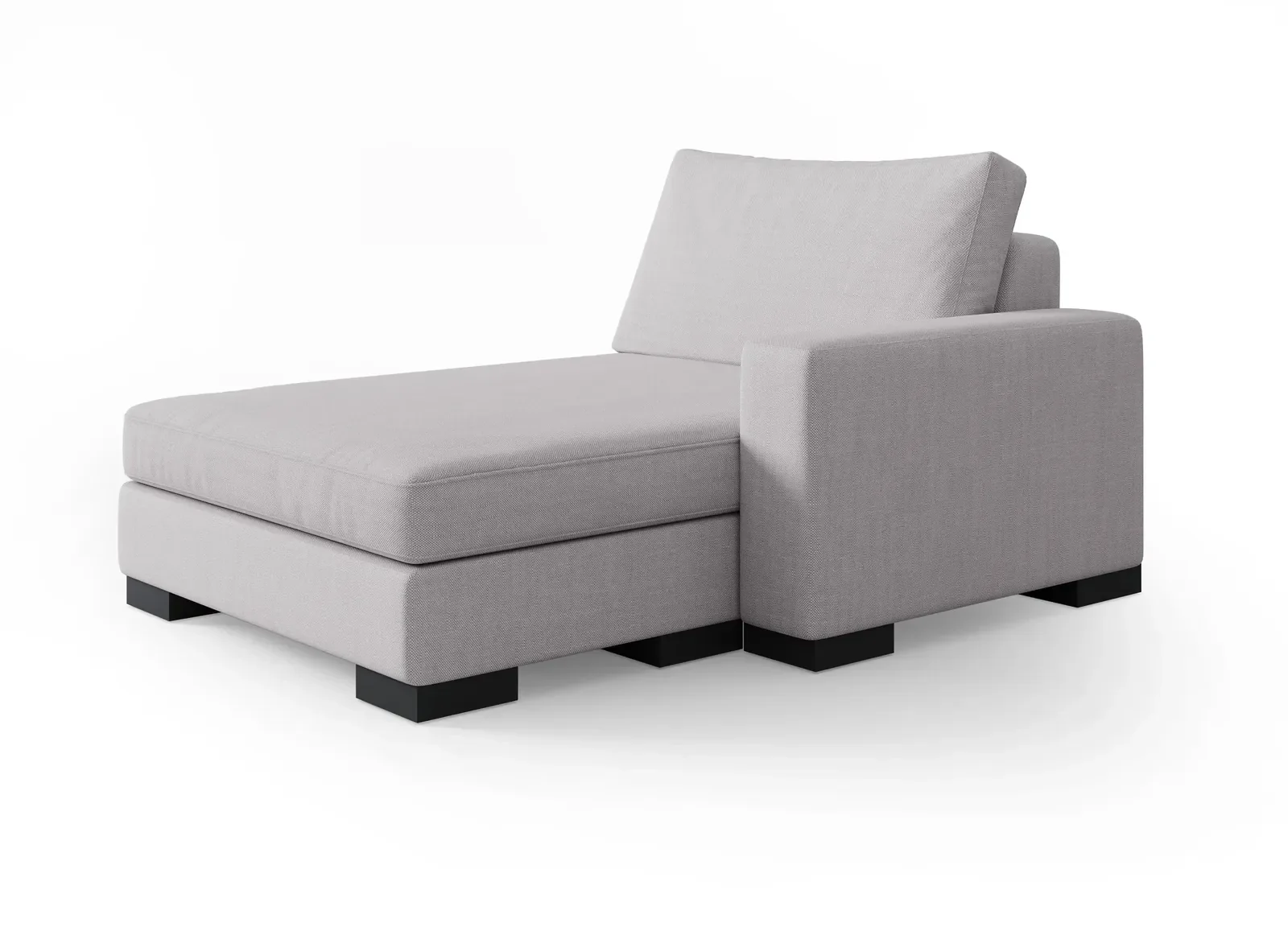
Decide whether you want a left- or right-facing chaise based on your room layout. Measure the area it will occupy and ensure it doesn't block walkways or other furniture. Consider depth for lounging comfort and how you will use it daily, such as curling up, napping, or watching TV.
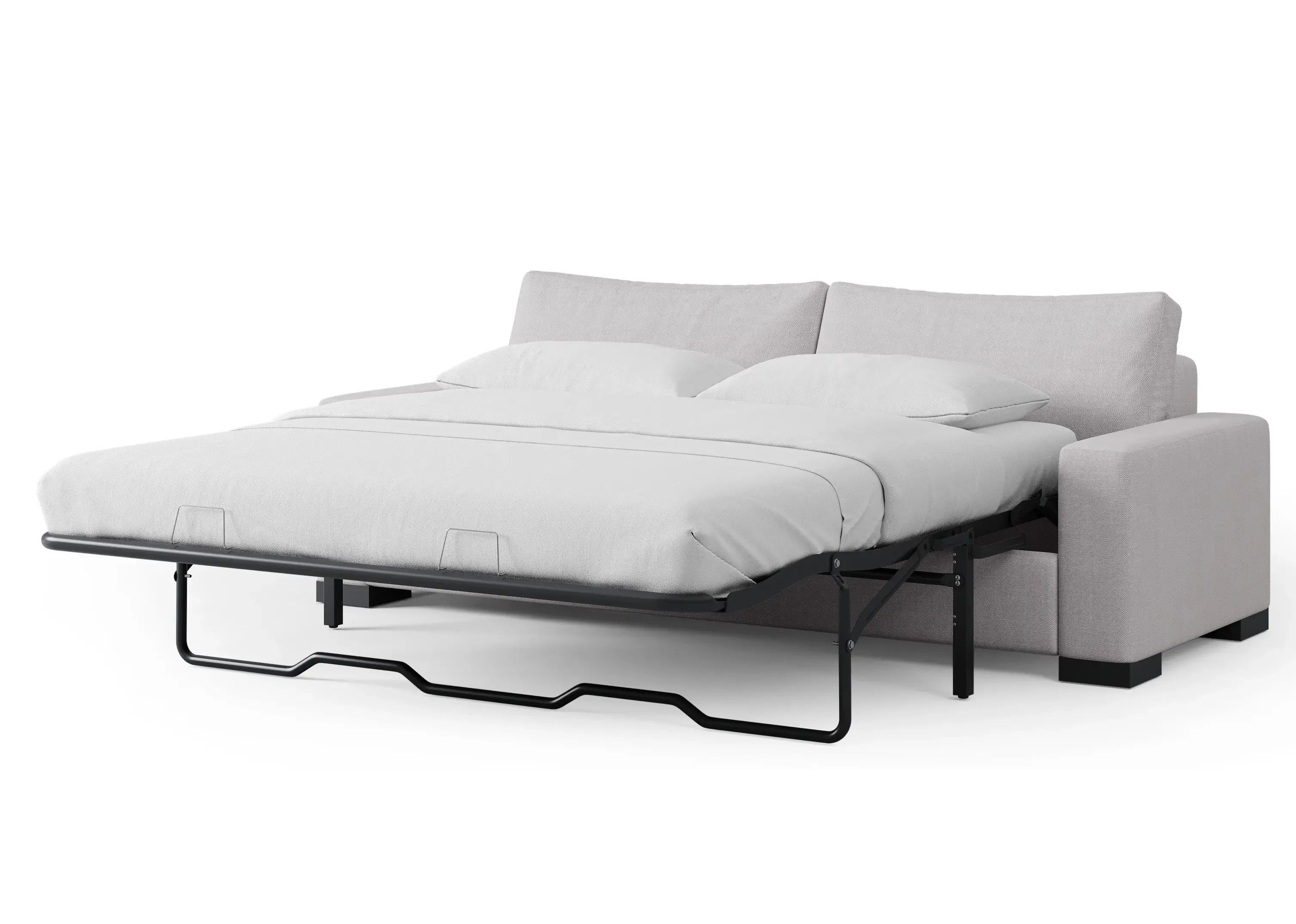
Sofa beds offer the perfect solution for guests or small spaces, but they require additional clearance when extended. Ensure there is enough clearance in front of the sofa for the mattress to fully extend. Consider how often you'll use it for sleeping and the comfort level of the mattress.
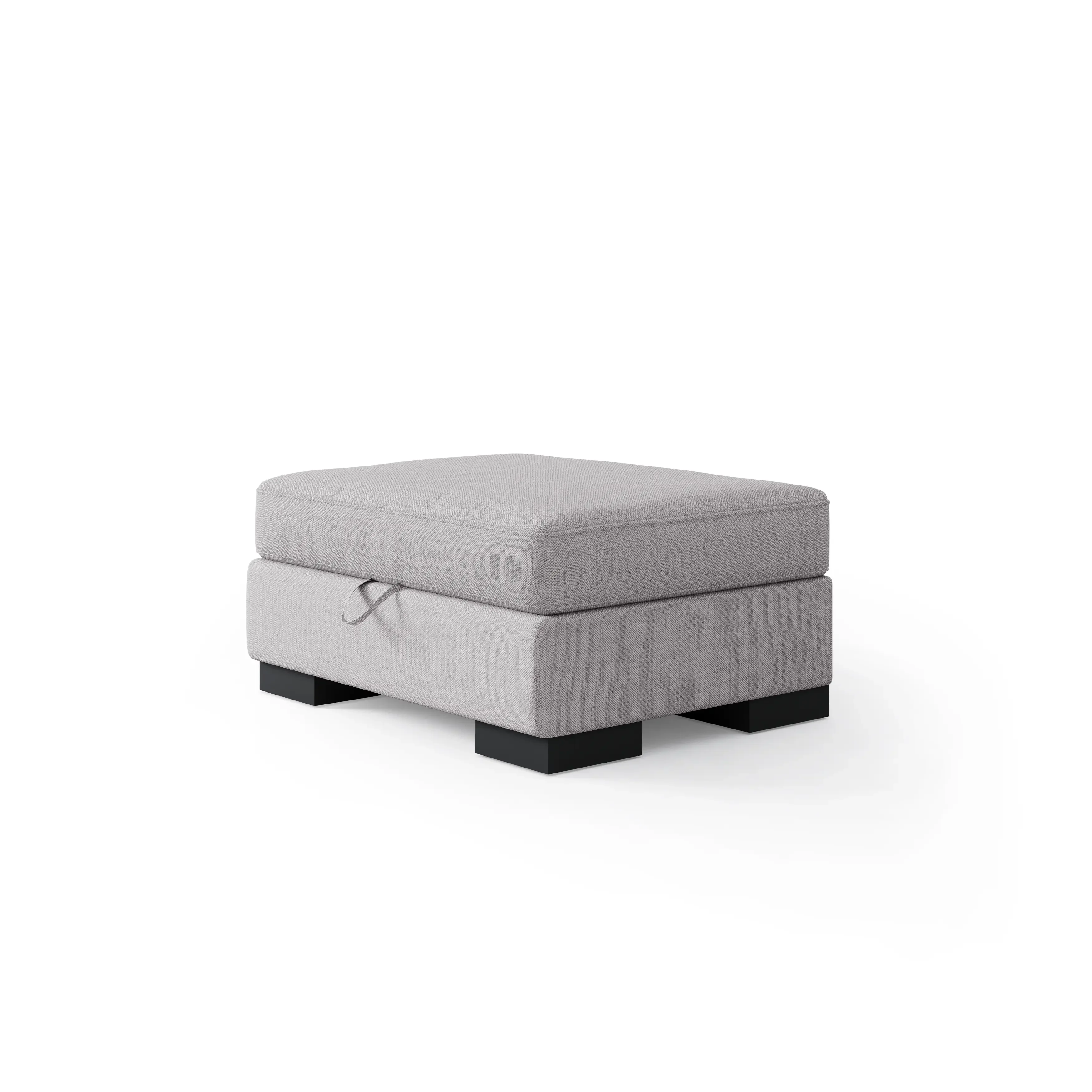
Ottomans can serve multiple purposes, from footrests to extra seating or even storage. Plan for space to move the ottoman around. Check that it does not obstruct walkways or furniture and that it complements the sofa layout. Consider storage options to maximize functionality.

After measuring your space, visualizing placement, considering daily use, and selecting your preferred comfort and custom features, the next step is to speak with a design consultant to place your order. A professional consultant can help confirm your measurements, suggest configurations, and guide you through all available options.
At SIXTREND, our design consultants can walk you through the process from start to finish. You can also explore over 700 fabric options right online using our Textile Portal, making it easy to find the perfect look and feel for your custom sofa. Working with an expert ensures that your final sofa is both functional and beautifully tailored to your space and lifestyle.
↑ Back to Table of ContentsThere are a few ways to connect with us.
Finding the right furniture can be challenging, but we keep it simple.
Learn More →Learn more about our delivery and home services.
Learn More →We're ready to help. Customer support is just a call, click, or visit away.
Learn More →We use cookies for analytics and advertising (Google and Meta) only if you say yes. Cookies that keep your cart and checkout working are always on. Privacy policy
You can change this any time with "Cookie settings" at the bottom of every page.